
Experiencing a dental emergency can be unsettling, but quick, informed action can make all the difference in saving your tooth and alleviating pain. At Advanced Dental Care, we understand the stress these situations can cause, which is why we want to equip you with the knowledge to handle them effectively. Knowing what steps to take immediately can help minimize damage and improve the outcome until you can receive professional care.

Common Dental Emergencies and Immediate Steps
Several situations can constitute a dental emergency, each requiring specific immediate actions. If a tooth is knocked out, gently pick it up by the crown (the chewing surface), avoid touching the root, and rinse it briefly with water if it's dirty – do not scrub. If possible, try to reinsert the tooth into its socket. If not, place it in a small container of milk or your own saliva and seek immediate dental attention. For a chipped or broken tooth, rinse your mouth thoroughly with warm water and apply a cold compress to the outside of your face to reduce swelling. Collect any broken pieces of the tooth if possible. A severe toothache should prompt you to rinse your mouth with warm water, gently floss to remove any lodged food particles, and never place aspirin directly on your gum or tooth as this can burn the tissue.
When to Seek Professional Help
Recognizing the urgency of different dental emergencies is crucial. For a knocked-out tooth, time is of the essence; ideally, you should see a dentist within 30 minutes to an hour for the best chance of saving the tooth. Situations involving severe pain, significant bleeding, signs of infection (like swelling or pus), or a fractured jaw demand immediate professional attention. Even seemingly less critical issues, such as a lost filling, a broken crown, or a persistent toothache that doesn't subside, warrant prompt contact with a dental professional to prevent further complications or infection. Always err on the side of caution and call your dentist for advice.
Prevention and Preparedness
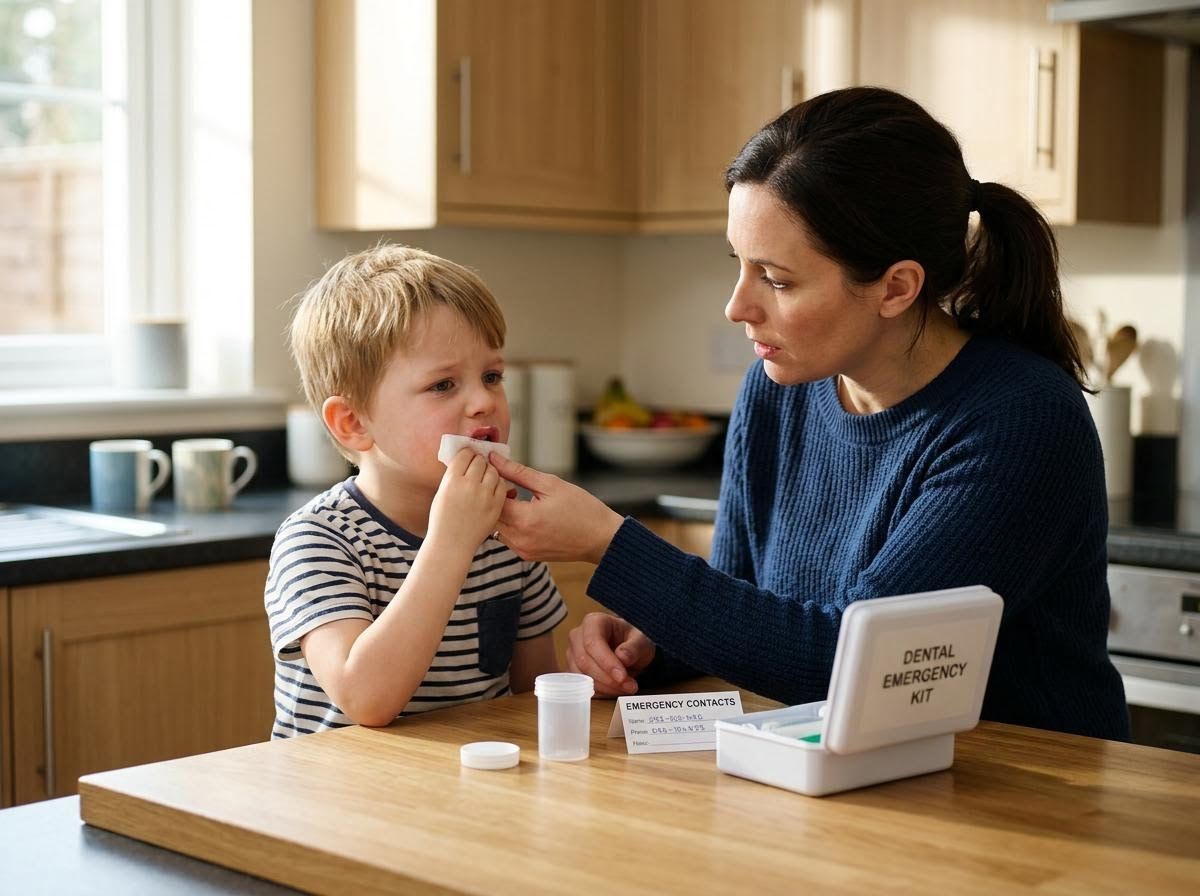
While emergencies can happen unexpectedly, there are steps you can take to reduce your risk and be better prepared. Wearing a custom-fitted mouthguard during sports or any recreational activities that could result in facial impact can significantly prevent dental trauma. Avoiding chewing on hard objects like ice, popcorn kernels, or non-food items can help prevent chips and cracks. Keeping a small emergency kit handy with items like gauze, a small container for a knocked-out tooth, and your dental office's contact information can be beneficial. Regular dental check-ups also play a vital role in identifying potential issues before they escalate into emergencies.
Being prepared for a dental emergency can significantly impact the final outcome, reducing pain and potentially saving your tooth. Understanding these immediate steps and knowing when to seek professional care is essential for maintaining your overall oral health. For comprehensive emergency care or to learn more about preventive measures to keep your smile healthy, we encourage you to explore the services offered at Advanced Dental Care.